Senegal, a welcoming and diverse country, is a fascinating destination for travelers seeking cultural discoveries, varied landscapes, and warm hospitality. Whether you are traveling for tourism, work, or a family visit, good preparation is essential to fully enjoy your stay.
Here is a comprehensive guide inspired by embassy recommendations and travelers’ experiences, covering all the important aspects: transportation, health, safety, food, and much more.
Preparations Before Departure
Mandatory vaccinations: The yellow fever vaccine is mandatory for entry into Senegal. Ensure that your universal vaccinations (diphtheria, tetanus, polio, hepatitis B, etc.) are up to date.
Recommended Vaccinations: Vaccinations against hepatitis A, typhoid, and meningococcal meningitis are advised. Depending on the duration and conditions of your stay, the rabies vaccine may also be considered.
Malaria: Senegal is a malaria risk area. Consult your doctor for preventive treatment (antimalarial drugs) and bring mosquito repellents, mosquito nets, and protective clothing.
Drinking Water: Avoid drinking tap water. Opt for bottled water with an intact seal and verify that the cap is properly sealed.
Passport valid for at least 6 months after the date of entry.
Visa: Depending on your nationality, check whether a visa is required. Citizens of certain countries (such as France) can enter without a visa for stays of less than 90 days.
Travel insurance: Obtain insurance covering medical expenses and repatriation.
Arrival in Dakar
Upon arrival, you will be greeted with a warm “As Salamou aleykoum,” to which you can respond with “Maleykoum salam”—a traditional greeting synonymous with peace.
1 radio or portable music player
Personal jewelry (max. 200 g of gold)
200 cigarettes or equivalent
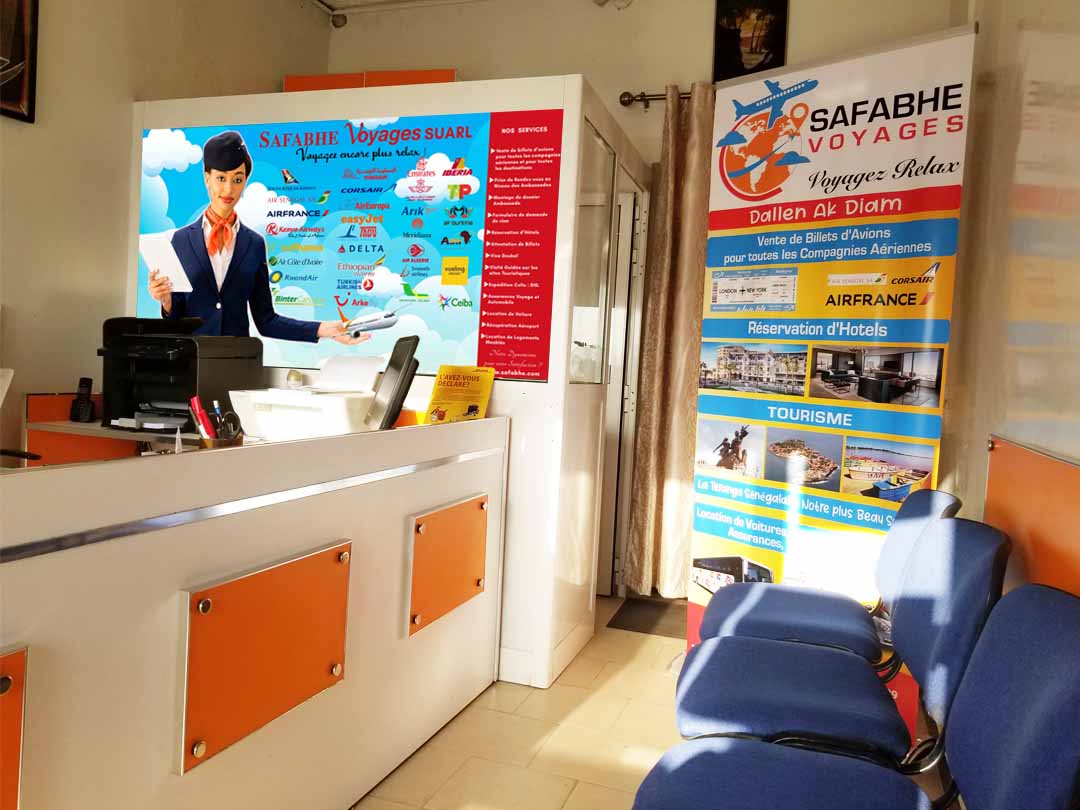
Hotels, shops, currency exchange, tourist information, travel agencies, and practical services available upon arrival.
Transport
Blaise Diagne International Airport (AIBD), located approximately 50 km from Dakar, is the main point of entry. Taxis and shuttles are available to take you to the capital.
Avoid unofficial taxis and always negotiate the fare before getting in.
Taxis: Taxis are numerous in cities, but they are not always equipped with meters. Negotiate the fare in advance.
Public transportation: Express buses (colored buses) and minibuses are economical, but often crowded. For greater comfort, opt for private companies or car rentals.
BRT (Bus Rapid Transit): In Dakar, BRT is a modern, comfortable, and fast transportation option for getting around the city. It is an excellent alternative for avoiding traffic jams.
Trains : Le train Express Regional (TER) relie Dakar à l’aéroport AIBD et à la ville de Diamniadio. C’est une option pratique et moderne.
Car rental: For greater flexibility, we offer a car rental service tailored to your needs. An international driver’s license is recommended. Drive carefully, as traffic can be chaotic, especially in Dakar.
Safety
Senegal is generally safe, but as everywhere else, be vigilant against pickpockets, especially in tourist areas and markets.
Avoid walking alone at night in isolated areas.
Consult your embassy’s travel advisories for any potential risk areas (such as Casamance, where restrictions may apply due to local tensions).
Accommodation
Le Sénégal offre une large gamme d’hébergements, des hôtels luxueux aux auberges économiques. À Dakar, les quartiers de la Corniche et du Plateau sont populaires.
We also offer apartments for rent for a more comfortable and personalized stay, ideal for families or long stays.
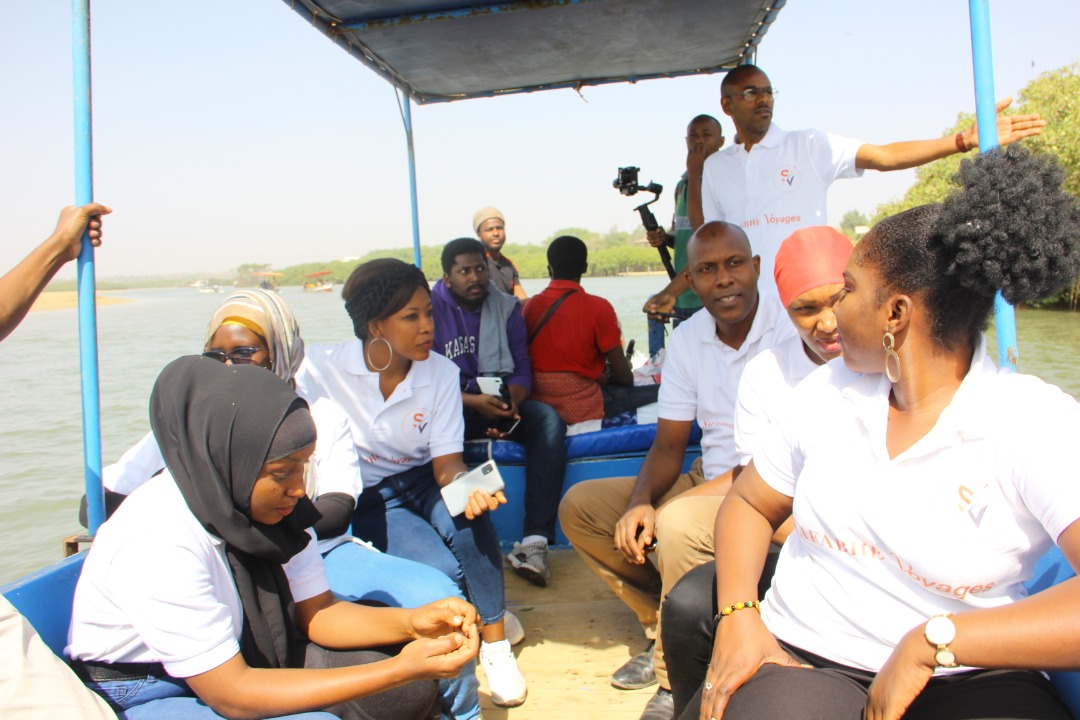
Outside the capital, ecolodges and camps offer an authentic experience, particularly in the Saloum Delta or Saint-Louis.
Food and Drinks
Senegalese cuisine: Don’t miss the national dish, thiéboudienne (fish rice), as well as yassa (marinated chicken or fish) and mafé (peanut sauce stew).
Food Hygiene: Prioritize well-cooked food and avoid raw vegetables in places less frequented by tourists.
Drinks: Bissap (hibiscus juice) and bouye (baobab juice) are refreshing local drinks. Avoid ice cubes if you are unsure of their origin.
Culture and Respect for Traditions
Senegal is a predominantly Muslim country. Respect local customs by dressing modestly, especially in rural areas and religious sites.
Learn a few words of Wolof, the most widely spoken language, to facilitate communication: “Hello” is “Salaam aleikum” or “Nanga def.”
Always ask permission before photographing people.
Currency
The local currency is the CFA franc (XOF). Credit cards are accepted in large hotels and restaurants, but it is best to have cash for small shops.
ATMs are numerous in cities but less common in rural areas.
Climate and Clothing
Senegal has a hot and dry climate. Bring light cotton clothing, a hat, and sunglasses.
The rainy season lasts from June to October, especially in the south. Bring a raincoat if you are traveling during this period.
Must-Do Activities
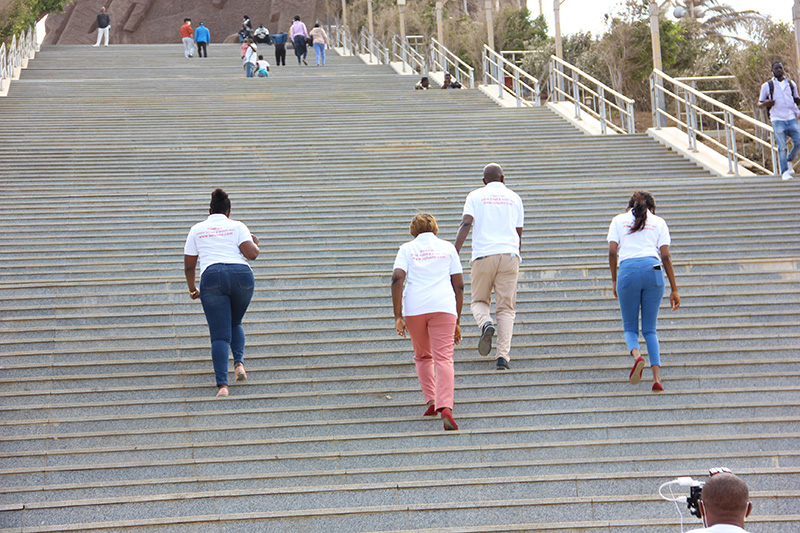
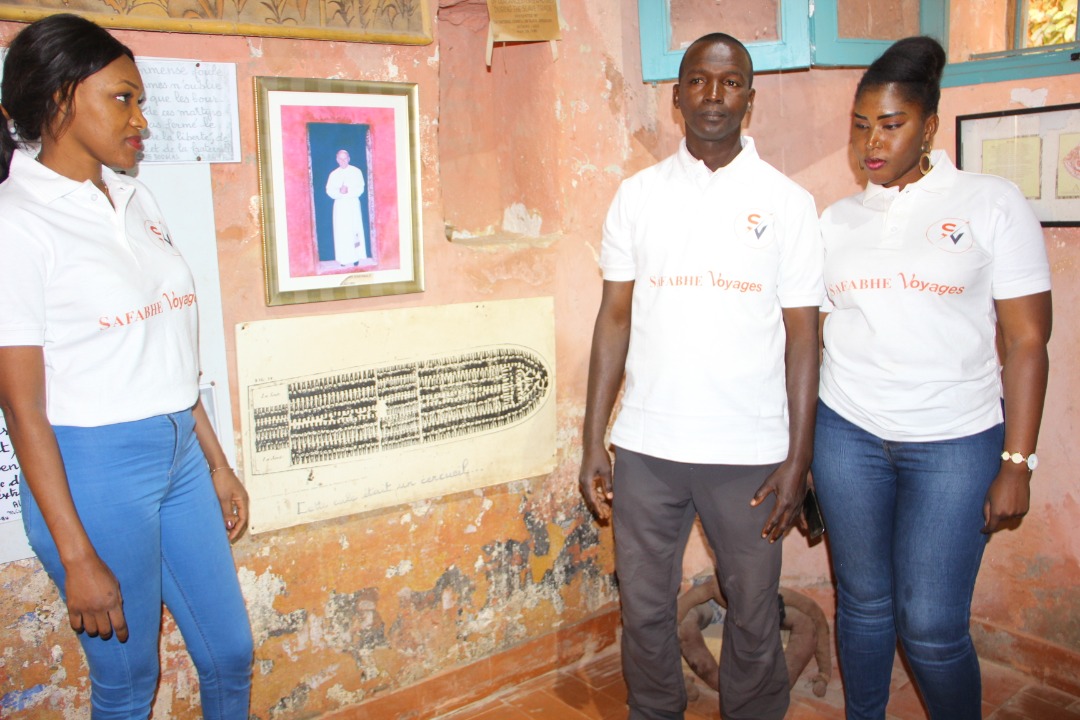
Dakar: Visit Gorée Island, the Soumbédioune craft market, and the African Renaissance Monument.
Saint-Louis : Discover colonial architecture and Langue de Barbarie National Park.
Niokolo-Koba National Park: For safari and nature lovers.
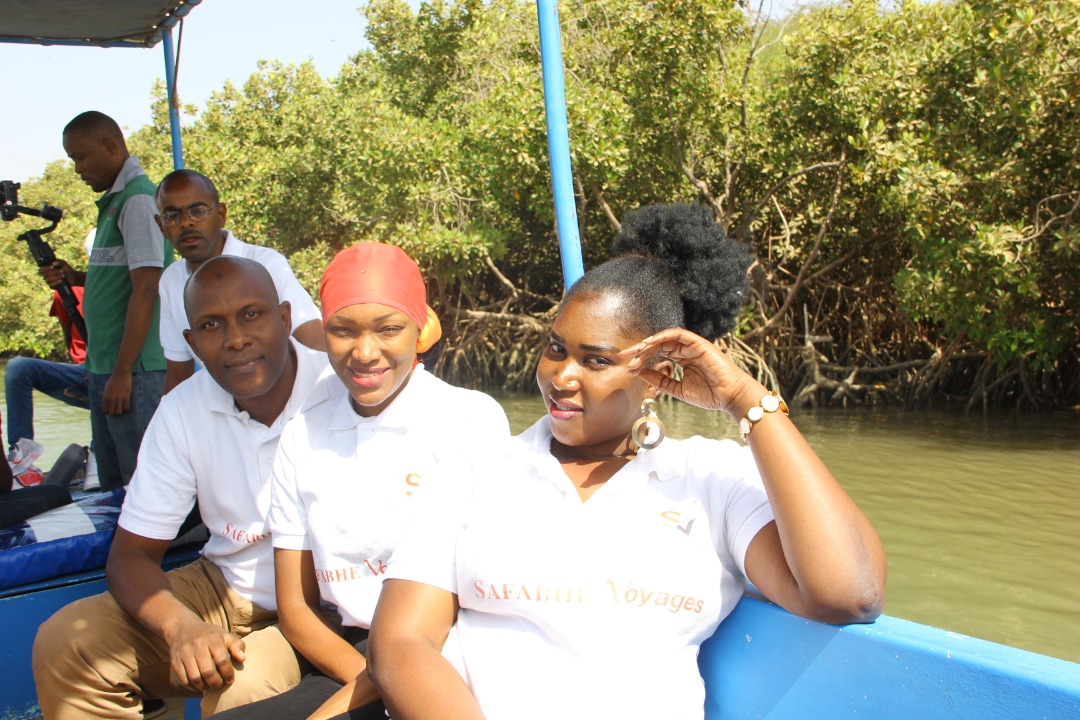
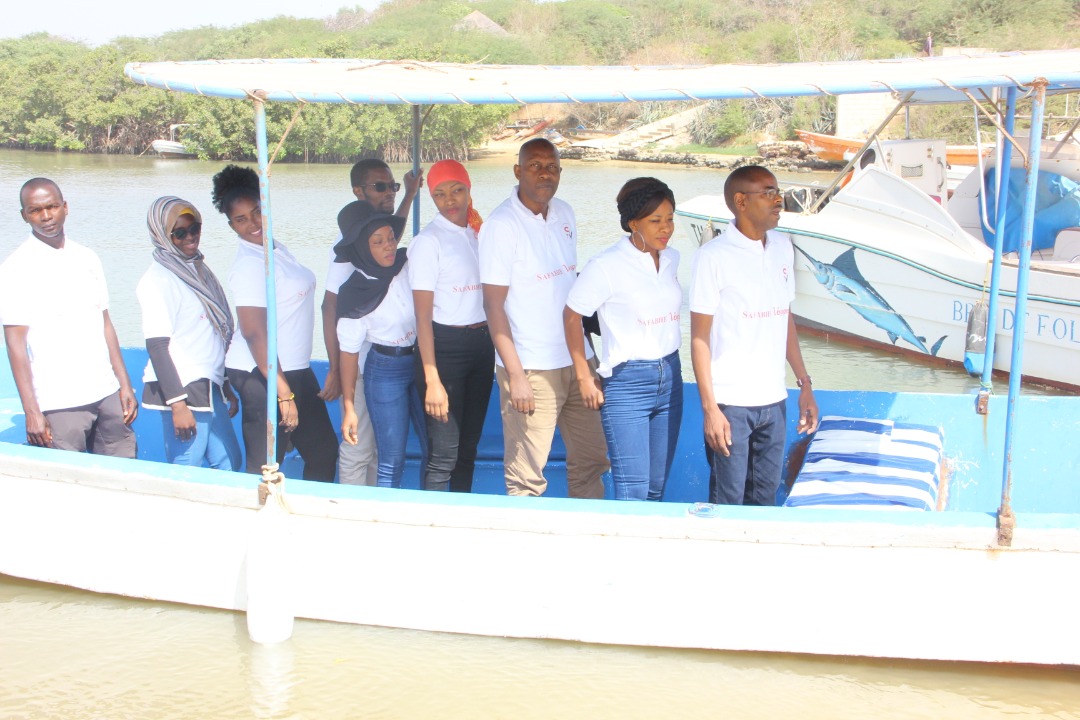
Sine-Saloum : Explorez les bolongs (mangroves) et les îles préservées.
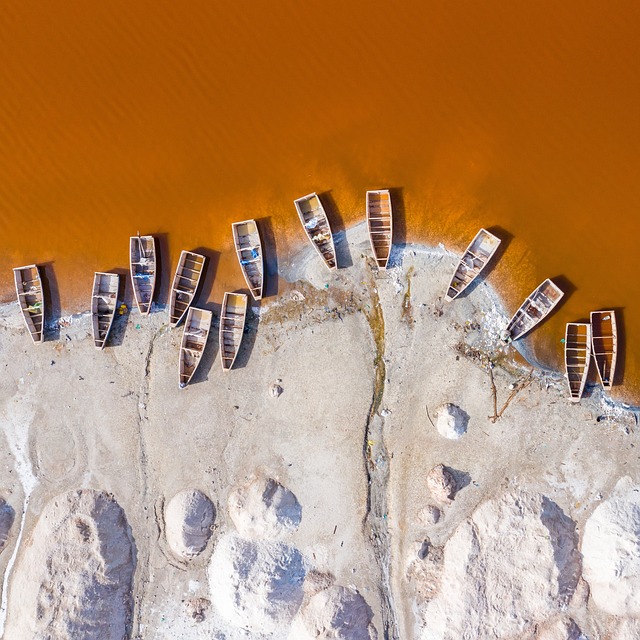
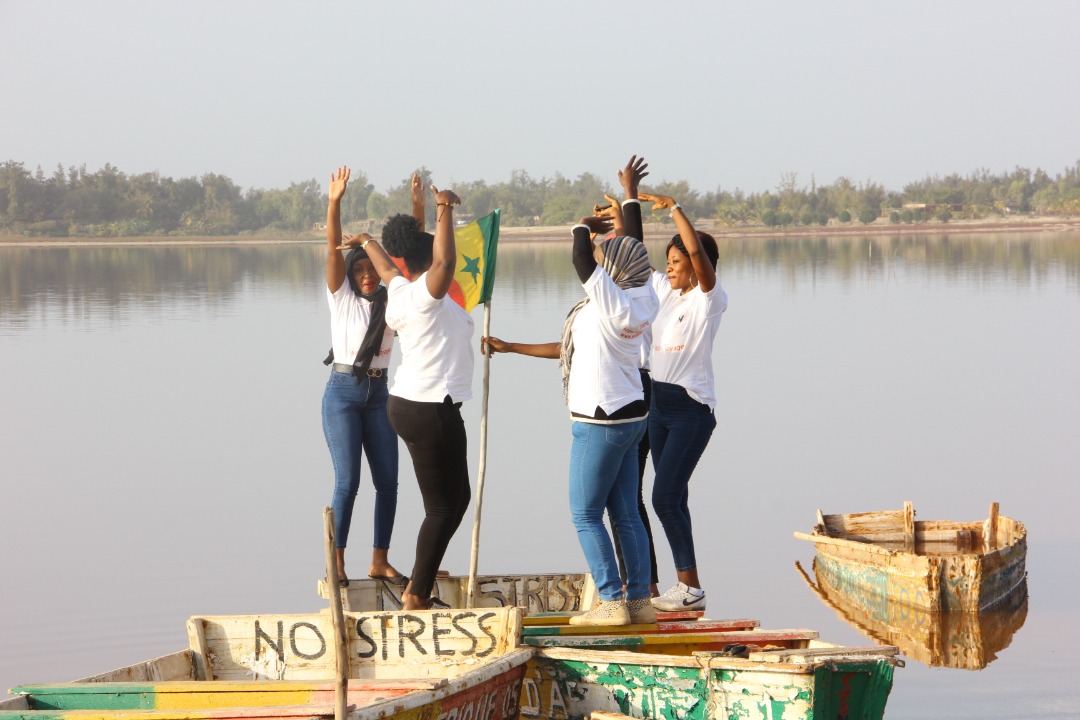
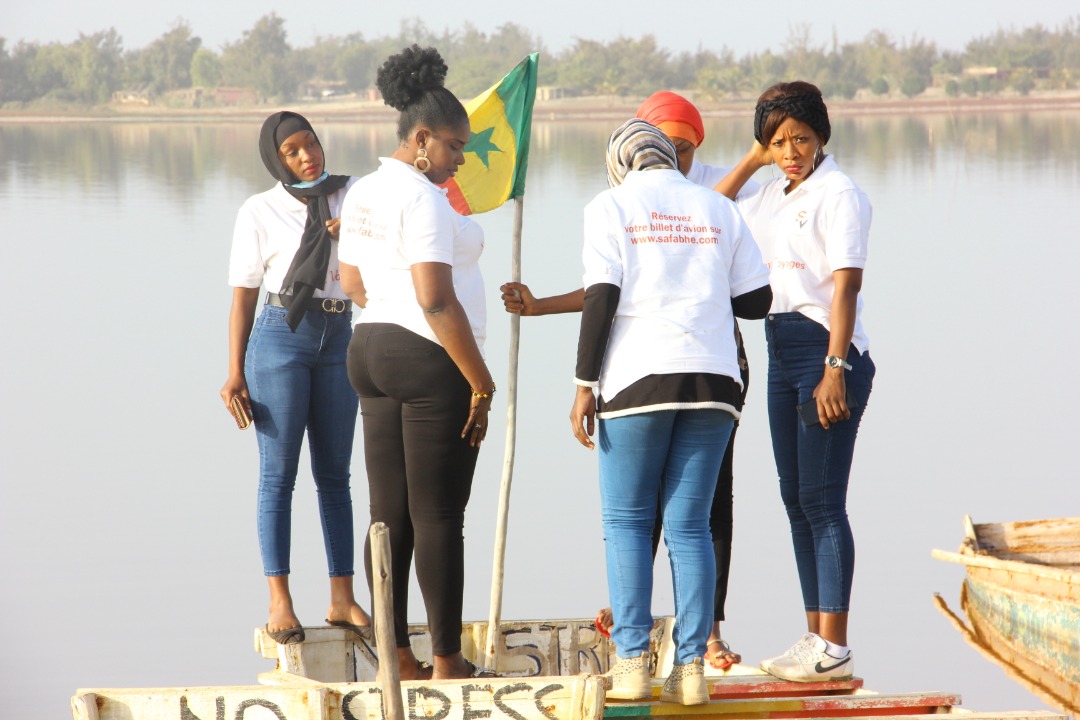
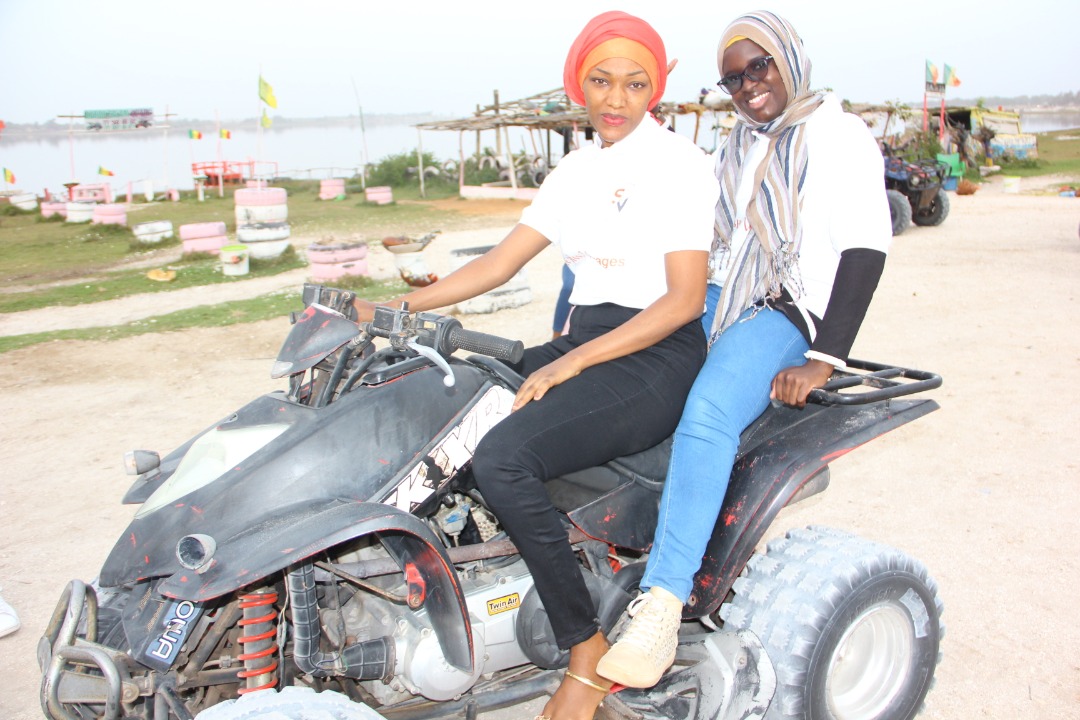
Lac Rose : Admirez les paysages uniques de ce lac salé.
Tourist tours: We offer organized tours to discover the treasures of Senegal in complete peace of mind. Whether for a day or a week, our offers can be tailored to your desires.
Environmental Respect
Senegal is committed to protecting its environment. Avoid leaving trash behind, especially on beaches and in natural parks.
Respect the flora and fauna, particularly in nature reserves.
By following these tips, you are ready to enjoy a memorable experience in Senegal. This country will welcome you with open arms and offer you unforgettable memories. Have a great trip and “Jërëjëf” (thank you in Wolof)!