Travel Tips for a First Visit to Guinea

Guinea, often called the “water tower of West Africa,” is a country rich in spectacular landscapes, diverse cultures, and warm hospitality. Whether you are traveling for tourism, work, or a family visit, thorough preparation is essential to fully enjoy your stay. Here is a comprehensive guide inspired by embassy recommendations and traveler experiences, covering all important aspects: transportation, health, safety, food, and much more.

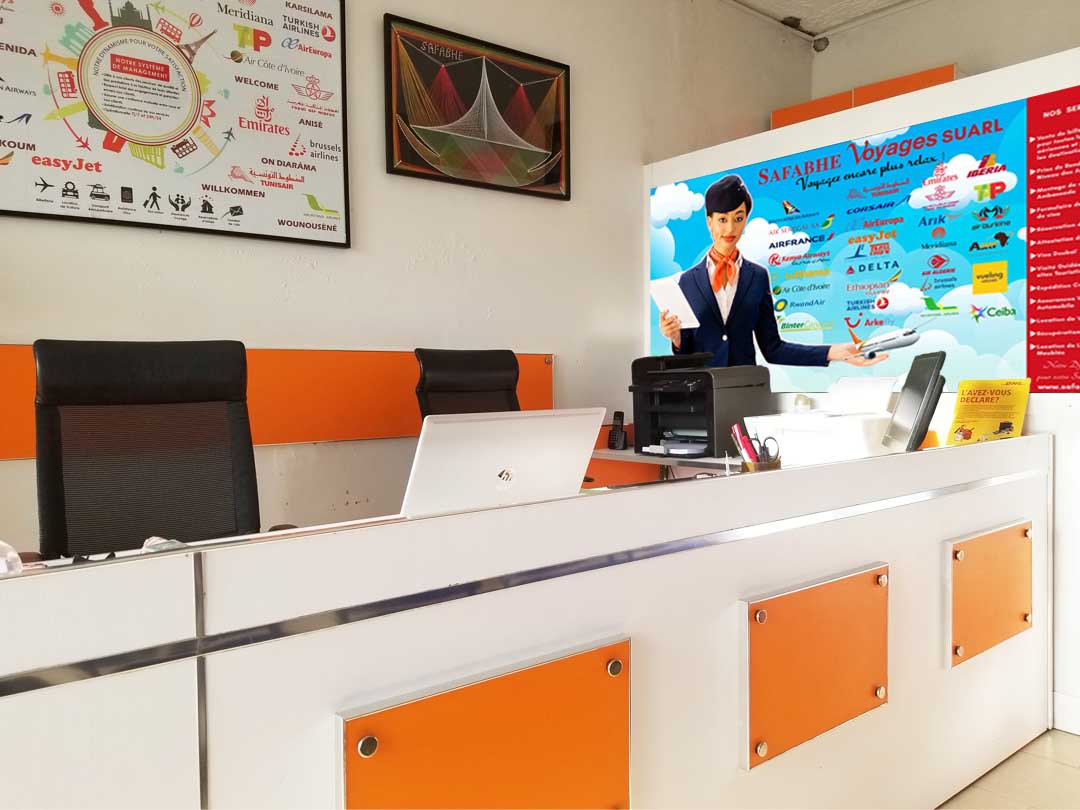
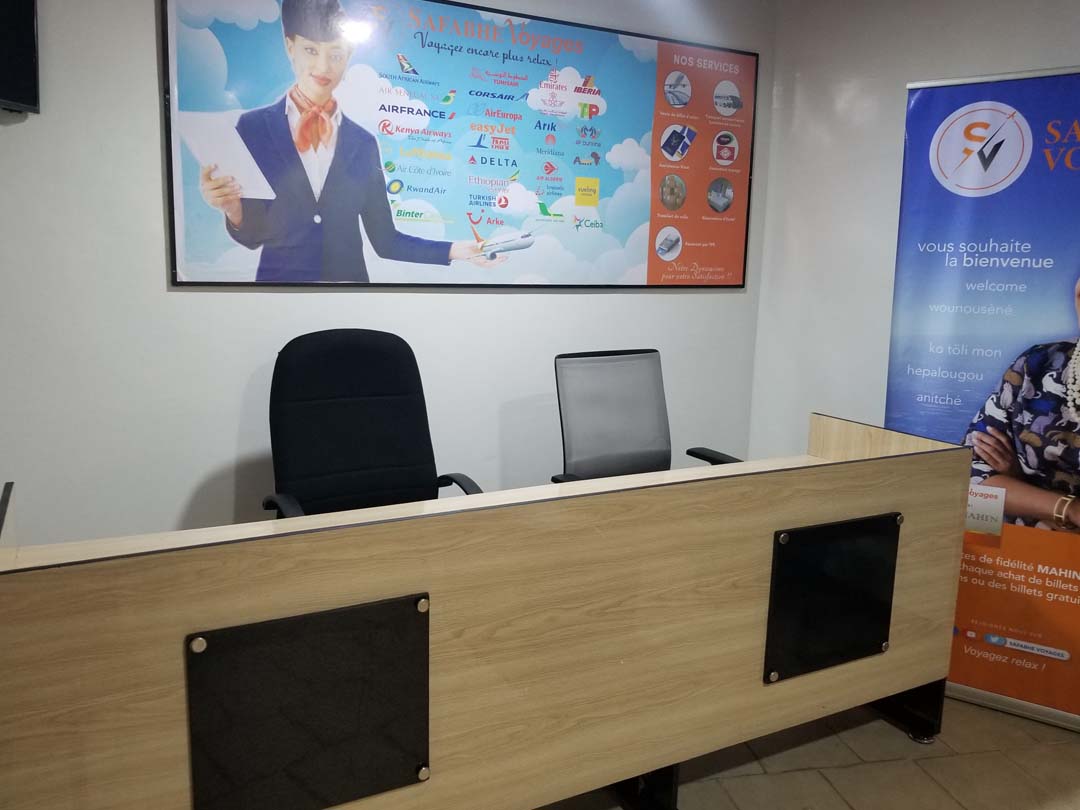
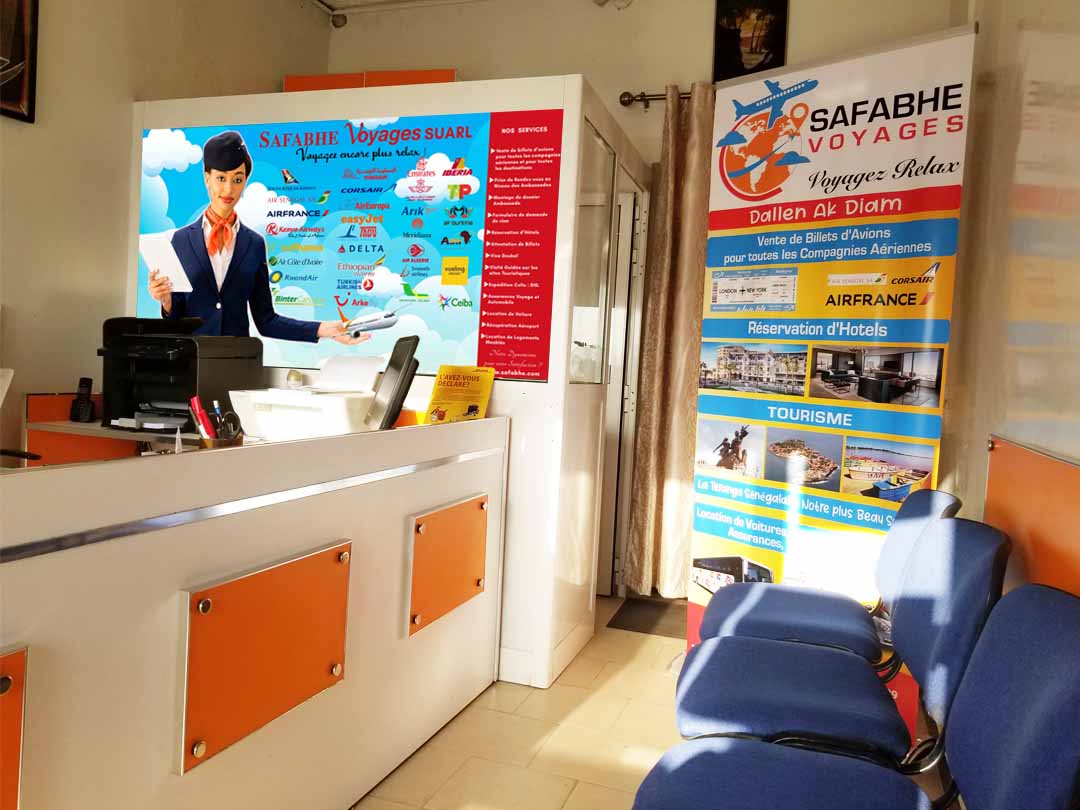
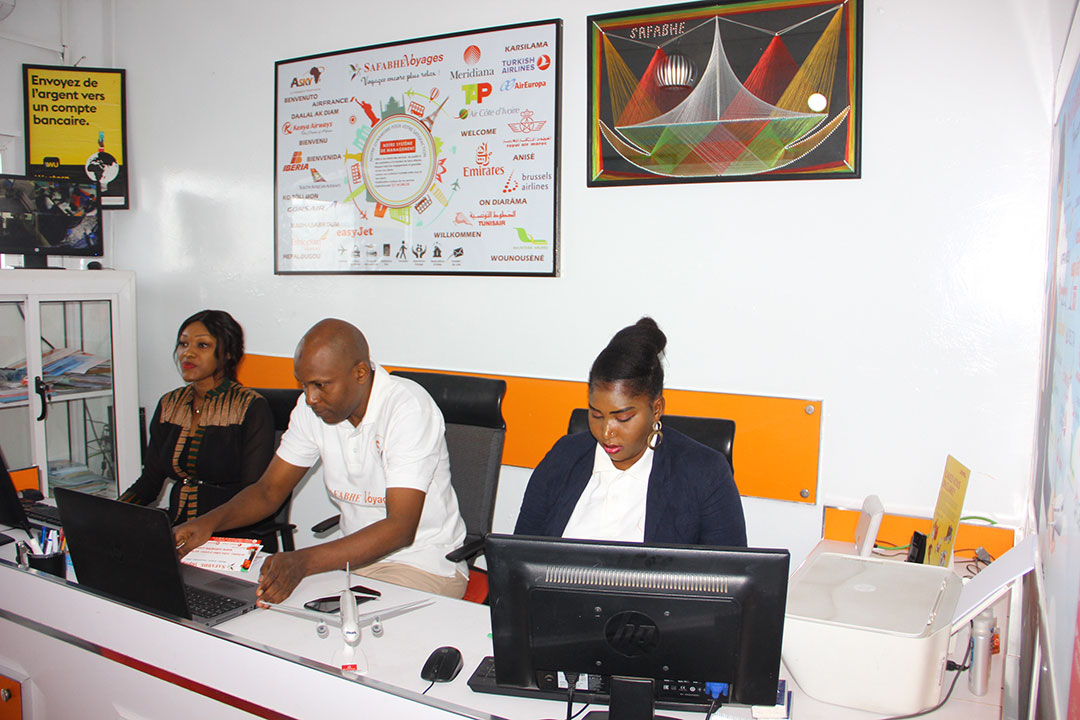
Additionally, we offer practical services to facilitate your trip, such as car rental, apartments for rent, and organized tours.

Preparations Before Departure

Vaccinations and Health

  • Mandatory Vaccinations: The yellow fever vaccine is mandatory for entry into Guinea. Ensure your universal vaccinations (diphtheria, tetanus, polio, hepatitis B, etc.) are up to date.

  • Recommended Vaccinations: Vaccinations against hepatitis A, typhoid, and meningococcal meningitis are advised. Depending on the duration and conditions of your stay, the rabies vaccine may also be considered.

  • Malaria: Guinea is a malaria-risk area. Consult your doctor for preventive treatment (antimalarials) and bring mosquito repellents, mosquito nets, and protective clothing.

  • Drinking Water: Avoid drinking tap water. Opt for bottled water with an intact seal and verify that the cap is properly sealed.

Required Documents

  • Passport valid for at least 6 months after the date of entry.

  • A visa is required for most nationalities. Inquire with the Guinean embassy in your country.

  • Travel insurance: Obtain insurance covering medical expenses and repatriation.

Transport

Arrival in Guinea

  • Ahmed SĂ©kou TourĂ© International Airport in Conakry is the main point of entry. Taxis and shuttles are available to reach the city center.

  • Avoid unofficial taxis and always negotiate the fare before getting in.

Local Transportation

  • Taxis: Taxis are numerous in cities, but they are not always equipped with meters. Negotiate the fare in advance.

  • Car Rental: For greater flexibility, we offer a car rental service tailored to your needs. An international driving permit is recommended. Drive cautiously, as traffic can be chaotic, especially in Conakry.

  • Public Transportation: Minibuses and shared taxis are economical but often crowded. For more comfort, opt for private companies or car rental.

Safety

  • Guinea is generally safe, but as everywhere, remain vigilant against pickpockets, especially in tourist areas and markets.

  • Avoid walking alone at night in isolated areas.

  • Consult your embassy’s travel advisories for any potential risk areas (such as Casamance, where restrictions may apply due to local tensions).

Accommodation

  • Guinea offers a wide range of accommodation, from luxurious hotels to budget hostels.

  • We also offer apartments for rent for a more comfortable and personalized stay, ideal for families or long stays.

  • Outside the capital, ecolodges and camps offer an authentic experience, particularly in the Saloum Delta or Saint-Louis.

Food and Drinks

  • Guinean Cuisine: Guinea offers a variety of savory and flavorful dishes. Do not miss riz sauce, a classic consisting of rice served with various sauces (peanut, tomato, leafy greens, etc.). Also discover fonio, a nutritious and light local grain, often served as a side dish or in a salad.
    Corn is also very present in Guinean cuisine, particularly in the form of porridges or stews. For fish lovers, try lafidi, a traditional dish made from dried fish and rice, typical of the coastal region.

  • Food Hygiene: Prioritize well-cooked food and avoid raw vegetables in places less frequented by tourists.

  • Drinks: Bissap (hibiscus) juice and ginger juice are refreshing local beverages. Avoid ice cubes if you are unsure of their origin.

Culture and Respect for Traditions

  • Guinea is a predominantly Muslim country. Respect local customs by dressing modestly, especially in rural areas and religious sites.

  • Learn a few words of Soussou or MalinkĂ©, the most widely spoken local languages, to facilitate communication: “Hello” is “I ni ce” in Soussou.

  • Always ask permission before photographing people.

Languages

  • Pular or Fula, spoken predominantly in Middle Guinea by over 40% of the Guinean population, has many speakers in other regions.

  • MalinkĂ©, spoken predominantly in Upper Guinea, and Kpelle or GuerzĂ©, spoken in Forested Guinea, have many speakers in other regions.

  • Soussou, spoken predominantly in Lower Guinea and throughout all four natural regions of Guinea, is the dominant language of the capital, Conakry.

Currency

  • The currency used is the Guinean Franc (GNF). Although credit cards are accepted in some major hotels and restaurants, it is recommended to carry cash for daily expenses.

    You can enter Guinea with foreign currency (Euros, Dollars, etc.) and exchange it at the Central Bank or exchange offices. Banknotes in circulation range from 100 to 20,000 GNF, and there are no coins. A currency declaration may be required upon arrival or departure.

  • ATMs are numerous in cities but less common in rural areas.

Climate and Clothing

  • Guinea has a tropical climate with a rainy season from May to October. Pack light cotton clothing, a hat, and sunglasses.

  • Bring a raincoat if you are traveling during the rainy season.

Must-Do Activities

  • Conakry: Visit the National Museum, the Botanical Garden, and Madina Market.

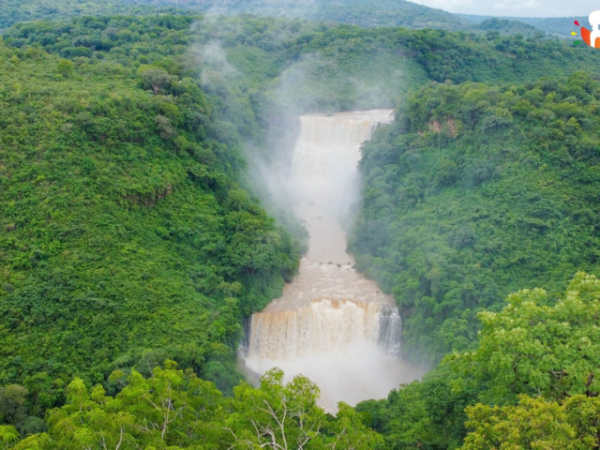
  • Fouta Djallon: Discover the mountainous landscapes, waterfalls, and traditional villages.

  • Loos Islands: Enjoy the pristine beaches and water activities.

  • Haut-Niger National Park: For safari and nature enthusiasts.

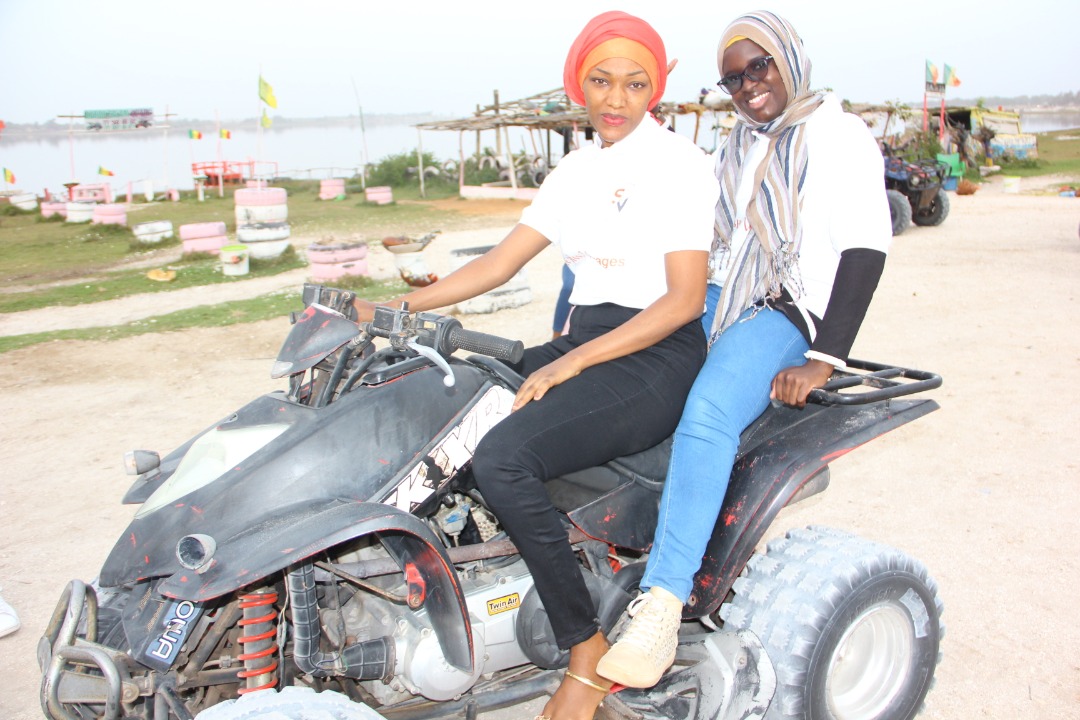
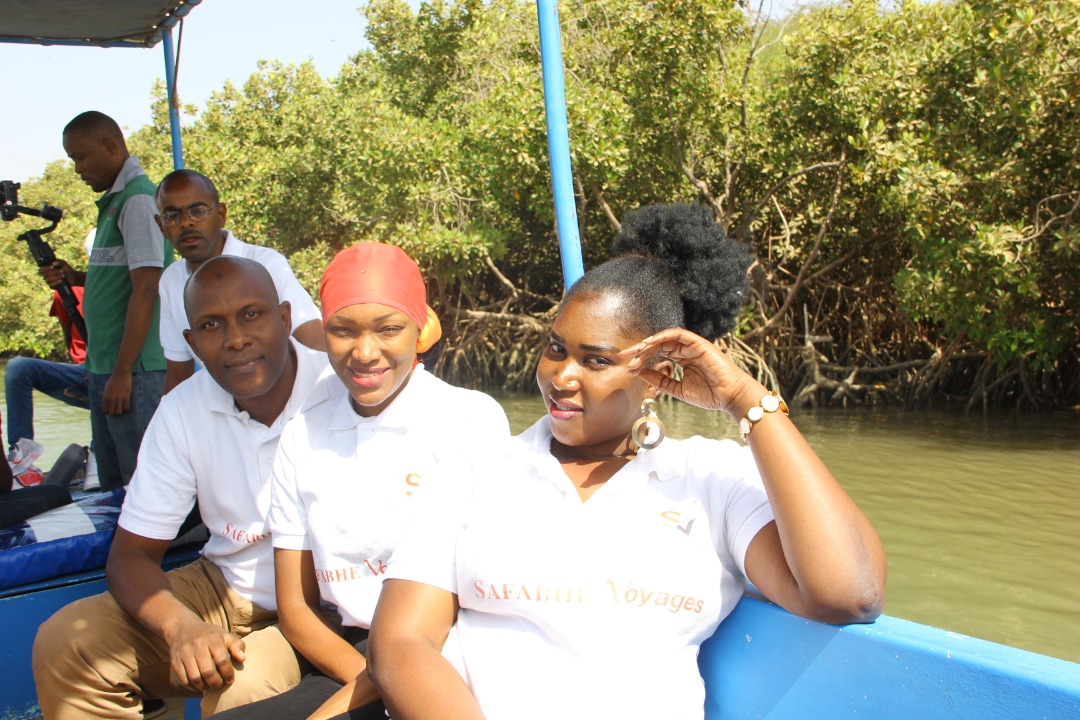
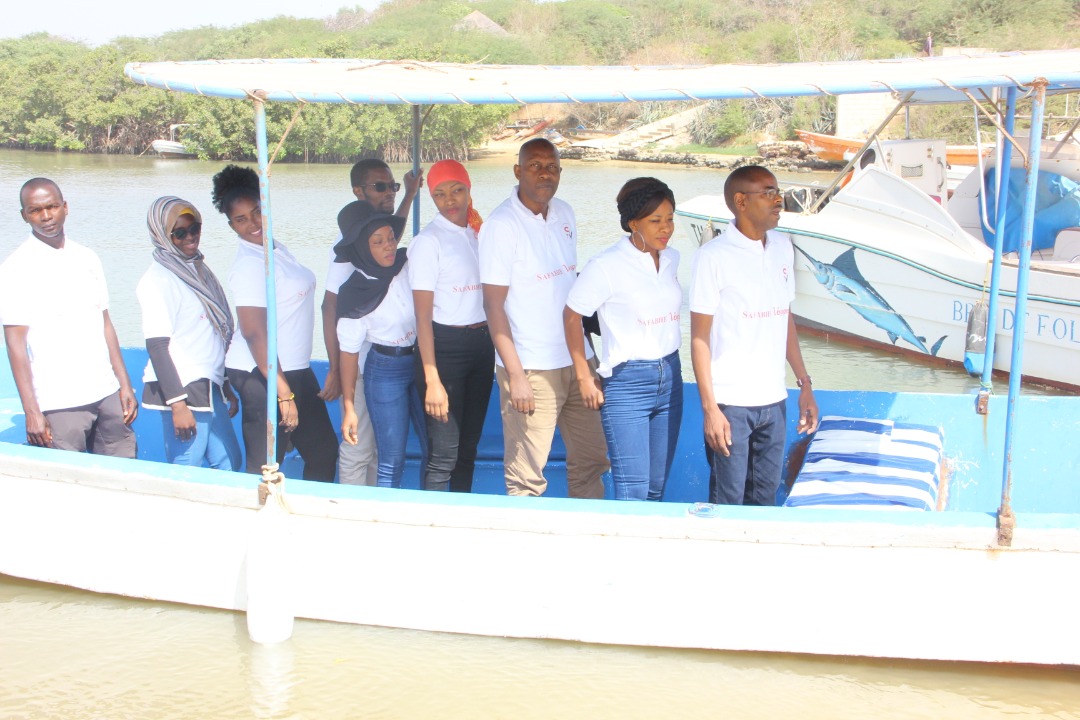
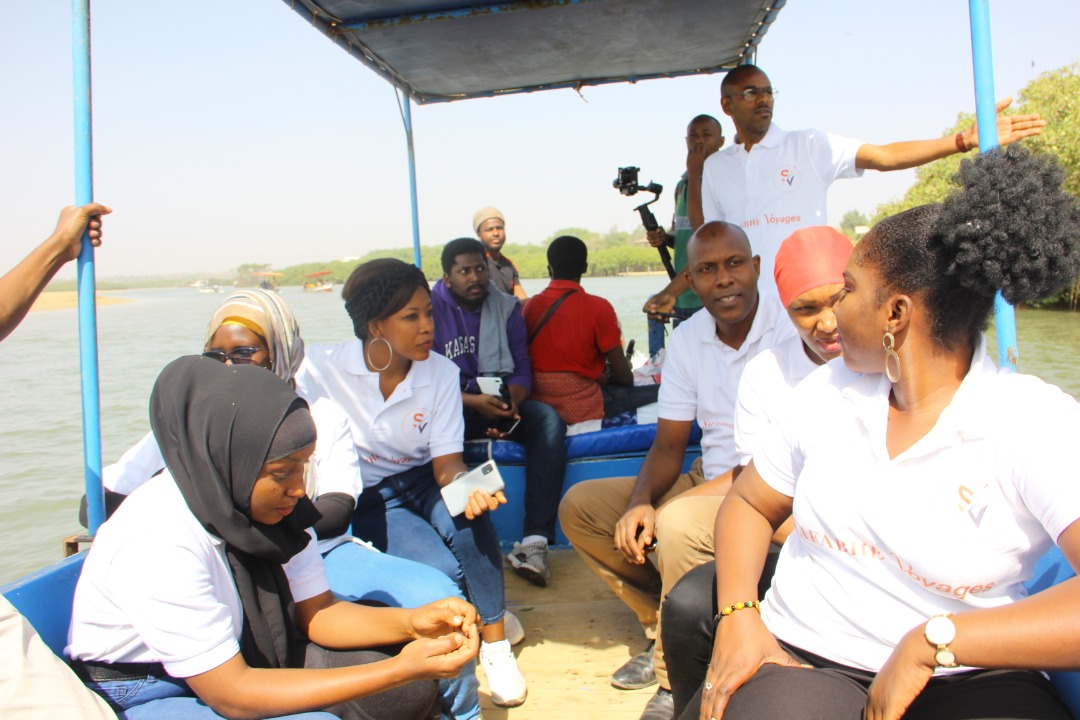
  • Organized Tours: We offer organized tours to discover the treasures of Guinea with complete peace of mind. Whether for a day or a week, our offers adapt to your desires.

Environmental Respect

  • Guinea is committed to protecting its environment. Avoid leaving waste, especially on beaches and in natural parks.

  • Respect the flora and fauna, particularly in nature reserves.

By following these tips, you are ready to have a memorable experience in Guinea. This country will welcome you with warmth and authenticity, leaving you with unforgettable memories. Have a good trip and “I n fanan” (thank you in Soussou)!